Introduction
Read and write data to SD cards using MicroPython on ESP32. This comprehensive tutorial will guide you through everything you need to know with step-by-step instructions, code examples, and practical applications.
What You'll Learn
- Hardware components and wiring diagrams
- MicroPython code implementation
- Testing and debugging techniques
- Practical real-world applications
- Troubleshooting common issues
Required Components
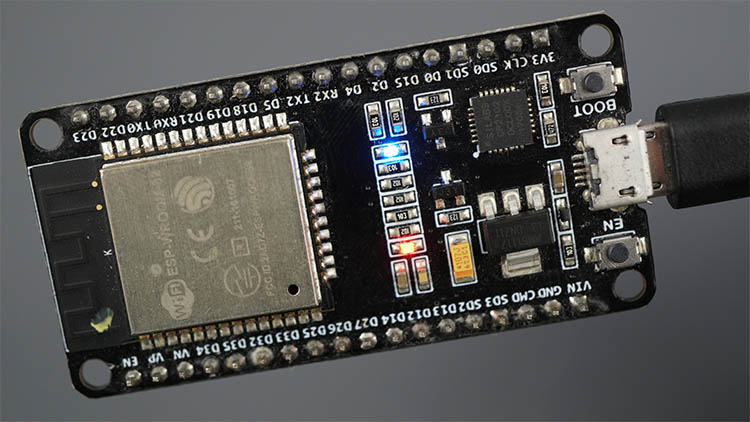
- ESP32 or ESP8266 development board
- USB cable for programming
- Jumper wires and breadboard
- Additional components specific to this project
Code Implementation
Here's the complete MicroPython code for this tutorial:
# MicroPython Code Example
from machine import Pin
import time

# Initialize hardware
print("Starting SD Card Module with MicroPython - ESP32...")

# Main application loop
while True:
    # Your code here
    time.sleep(1)
Testing and Usage
Follow these steps to test your implementation:
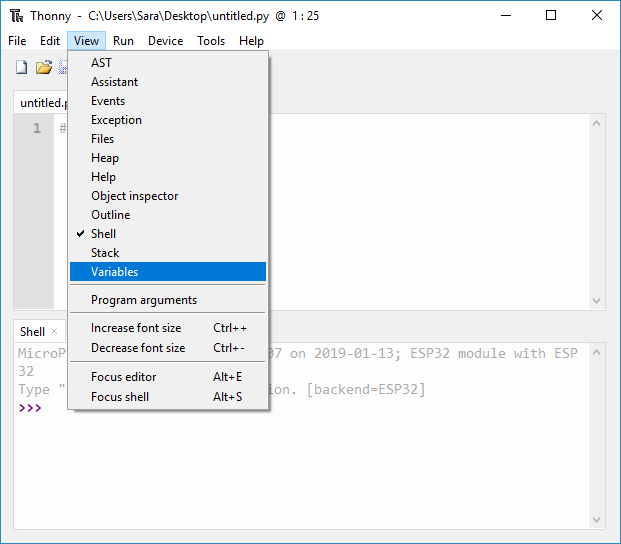
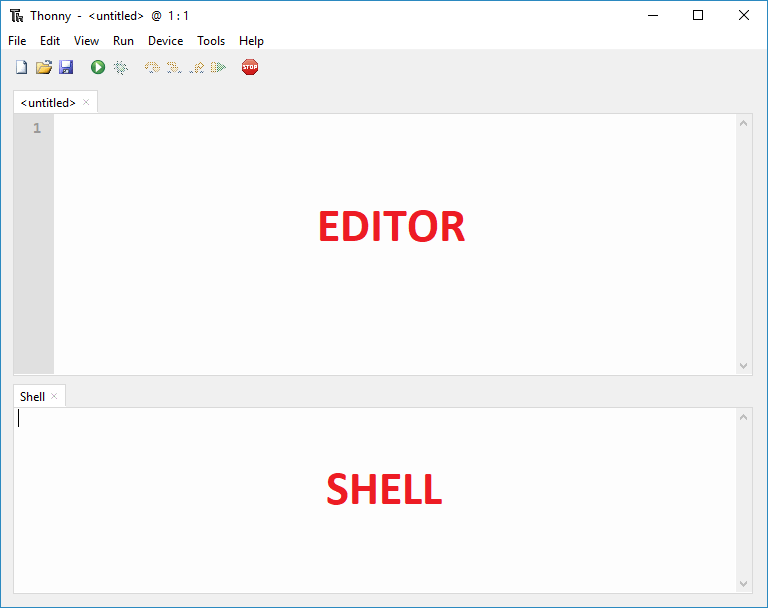
- Upload the code to your ESP32/ESP8266 using Thonny IDE
- Open the Serial Monitor to view output
- Verify the expected behavior
- Test all features and functions
Troubleshooting
- Ensure your board is properly connected via USB
- Verify that MicroPython firmware is installed correctly
- Check all wire connections match the circuit diagram
- Restart the board if code doesn't run automatically
Next Steps
Now that you've completed this tutorial, you can:
- Explore related tutorials on our tutorials page
- Modify the code for your own projects
- Combine with other sensors and components
- Share your project with the community